
















1. Research your market
Study local demand, competitor prices and gaps in coverage. Keep your findings in one spreadsheet so you can compare areas and services.
2. Find your niche
Don’t fight ride-hailing apps head-on. Focus on a segment you can own:
3. Secure funding and plan your finances
Budget for vehicles, insurance and licences, software and marketing. Choose between savings, a business loan or investors, and build a 3-year forecast with a break-even point.
4. Build a strong brand
A clear name, a consistent look, branded vehicles and a professional website with online booking build trust from the first ride.
5. Digitise your operations
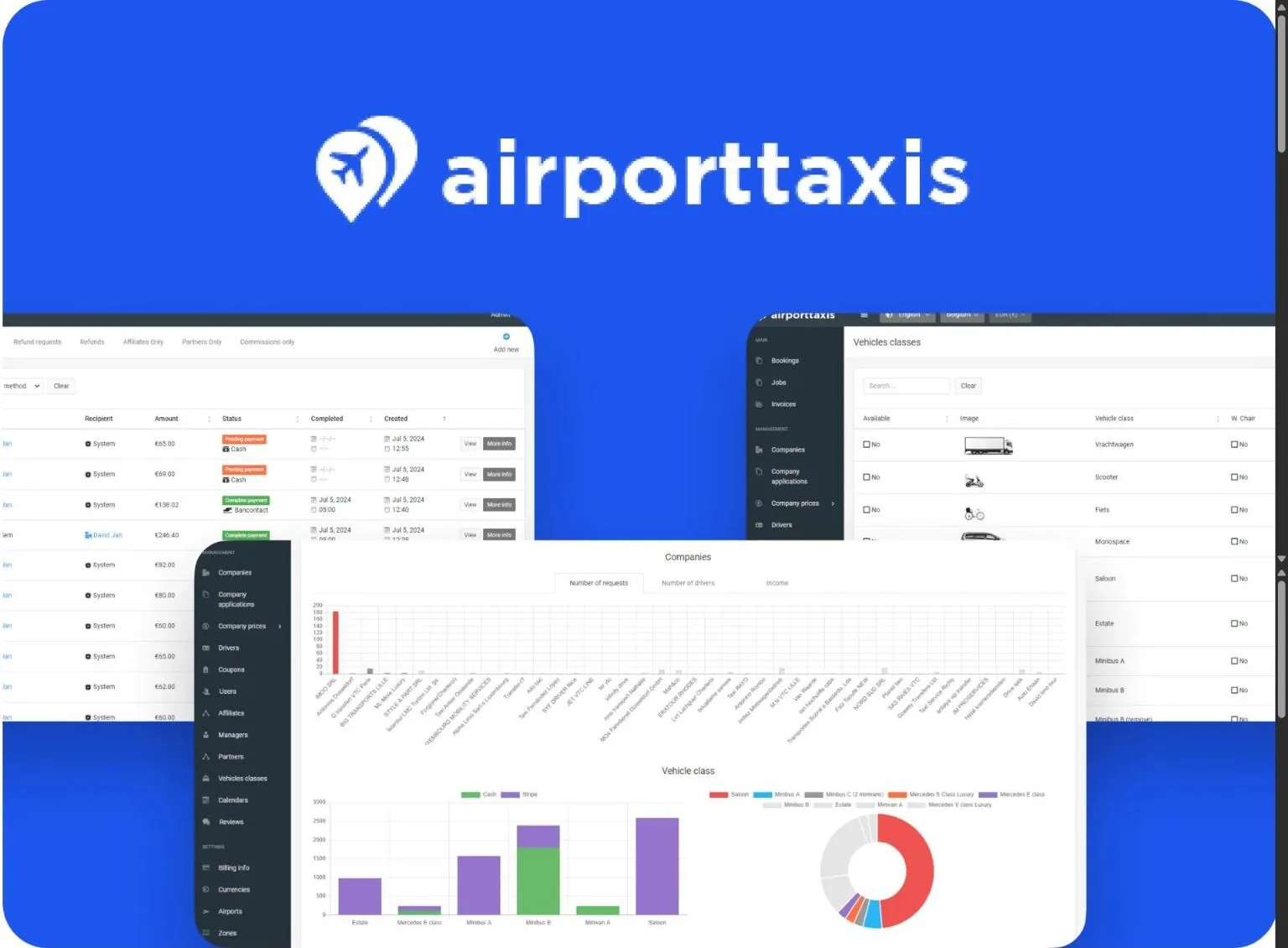
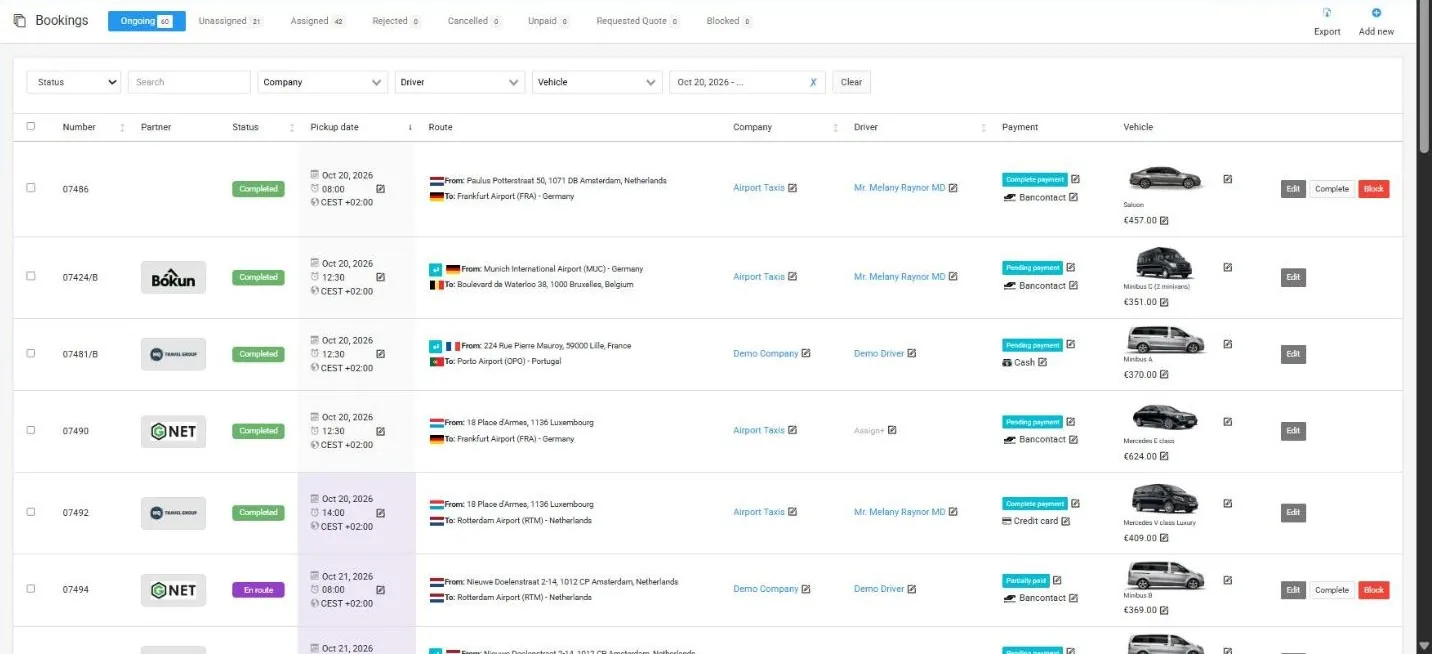
Customers expect online booking; drivers expect an app. Start with dispatch software, a driver app and a booking form — and add your own branded apps when you grow.
6. Comply with the rules
- Business registration
- Vehicle and driver licences
- Commercial insurance
- Driver background checks
7. Hire drivers and an office team
Check licences and records, train drivers on service and the app, and pay fairly. Track a few KPIs from the start.
8. Measure, improve and grow
Track rides, revenue, repeat customers and driver performance — and grow on evidence, not gut feeling.